
Cold weather does more than make job sites uncomfortable. It can slow projects, damage materials, disrupt operations, and create serious safety concerns for workers and facilities alike. For many industries, winter conditions are not a reason to pause work, but they do require smart planning and reliable solutions.
That is where portable and temporary heating comes in. Rather than investing in permanent systems or risking downtime, organizations across the construction, manufacturing, utilities, and emergency response industries rely on temporary heating solutions to stay productive and protected during the coldest months of the year.
Why Temporary Heating Matters in Winter Preparations
Temporary heating is often viewed as a last-minute fix, but in reality, it is a proactive strategy that supports continuity and safety for your teams and projects.
Cold temperatures can:
- Delay construction schedules by preventing proper curing of concrete or coatings
- Damage temperature-sensitive materials and equipment
- Create unsafe working conditions that increase the risk of injury
- Shut down facilities that were never designed for extreme cold
Temporary heating allows organizations to maintain control over their environment without committing to long-term infrastructure changes. It provides warmth exactly where and when it is needed, helping teams stay on schedule while protecting people, products, and property.
Common Scenarios Where Portable Heating Makes Sense
Temporary heating solutions are used across a wide range of industries and applications, especially during winter months.
- Construction and infrastructure projects: Cold weather does not stop deadlines. Temporary heating helps maintain safe working conditions, prevents frozen ground or materials, keeps your field teams comfortable to continue to be productive in challenging weather conditions and supports processes like concrete curing and interior finishing.
- Industrial facilities and manufacturing: Facilities that experience equipment shutdowns, maintenance outages, or fluctuating temperatures often rely on temporary heating to protect machinery and maintain production standards.
- Emergency and disaster response: During power outages, storms, or infrastructure failures, temporary heating can be deployed quickly to support shelters, command centers, and recovery operations and can run on secondary/generator power if needed. Temporary structures and enclosed spaces: Warehouses, tents, modular buildings, and temporary enclosures often lack permanent heating. Portable solutions provide immediate comfort without permanent installation.
- Freeze prevention and equipment warm-up: Temporary heating can prevent pipes from freezing, protect sensitive systems, and support cold-start operations in industrial environments.
Understanding Types of Temporary Heating Solutions
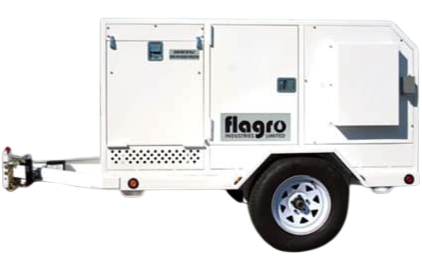
Indirect-fired heaters: These heaters provide clean, dry heat safely and are ideal for enclosed or occupied spaces. Exhaust is vented outside, making them a popular choice for construction interiors, warehouses, and event-related applications.
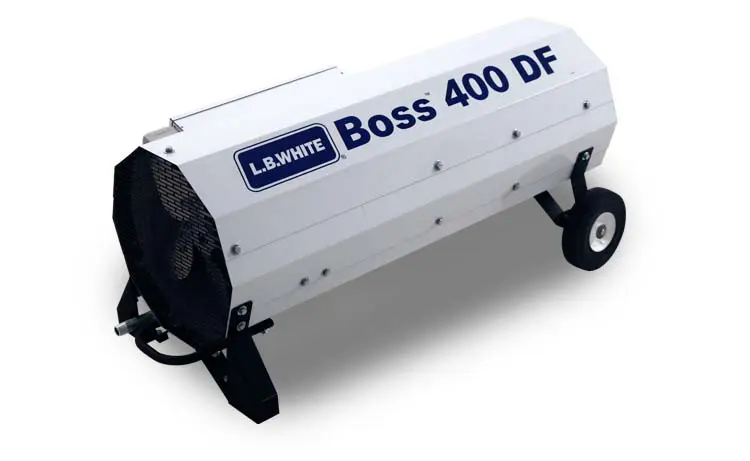
Direct-fired heaters: Direct-fired heaters offer high heat output and fast temperature increases. They are typically used in well-ventilated or outdoor environments where efficiency and rapid heating are priorities.
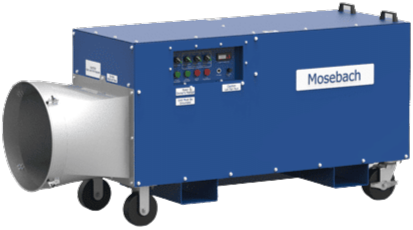
Electric heating options: Electric heaters are well-suited for smaller spaces or areas where fuel access is limited. They are clean, quiet, and easy to deploy, though power availability must be considered.
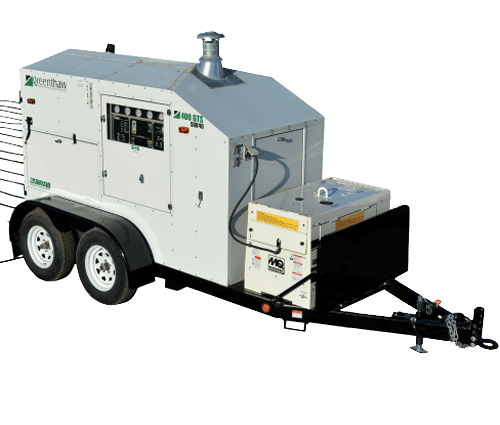
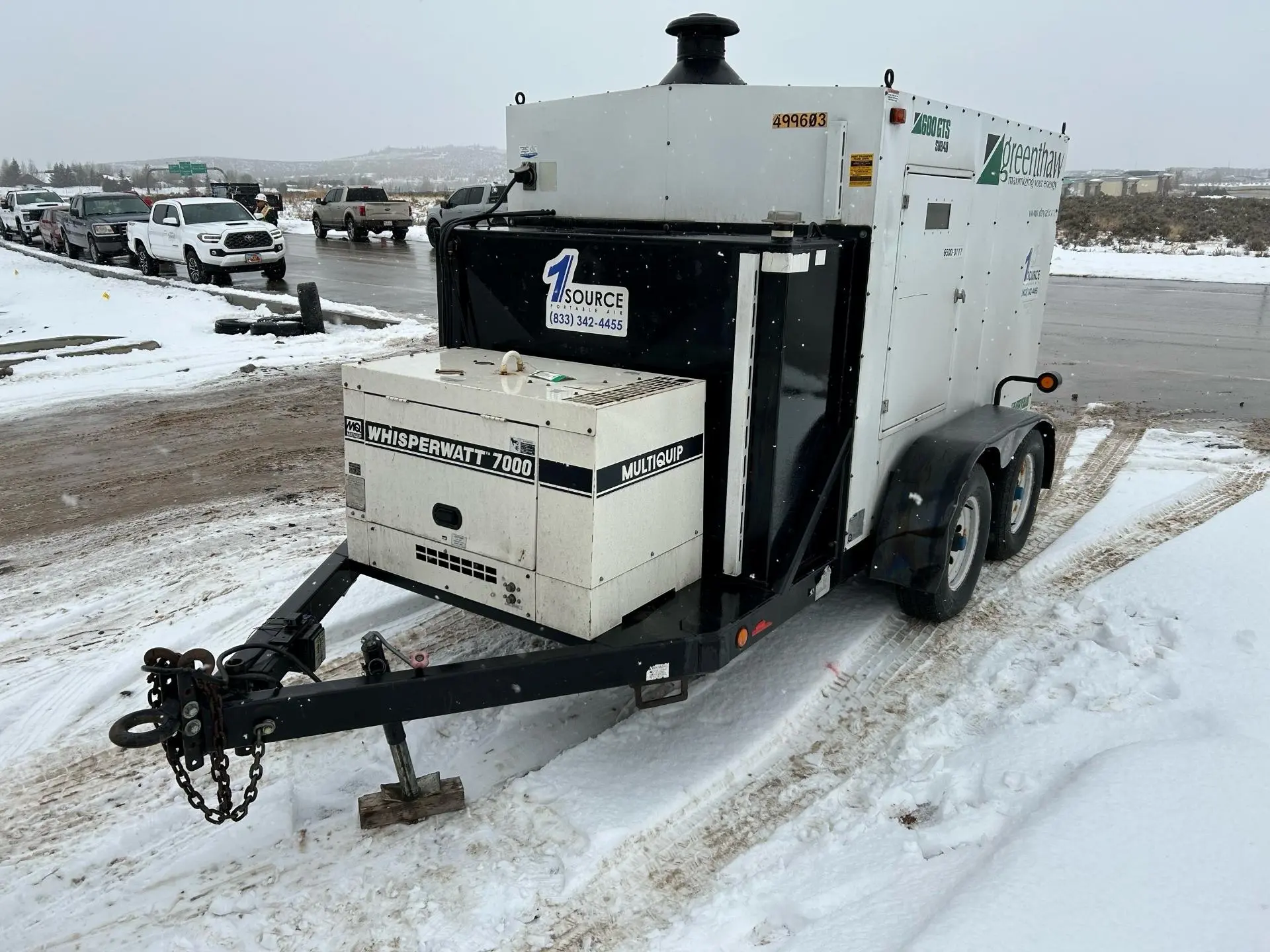
Ground thaw heaters: Ground thaw heaters are designed to safely thaw frozen ground, concrete, and soil in cold-weather conditions. They are commonly used to keep projects moving during winter by preventing frost-related delays, supporting excavation work, and protecting slabs and foundations from freeze damage.
Each solution has advantages depending on the space, duration, ventilation, and safety requirements of the project.
How to Choose the Right Temporary Heating Setup
No two sites are the same, which is why planning matters. A few key factors should be evaluated before selecting a temporary heating solution.
- Space size and layout: The volume of air being heated, ceiling height, and airflow all impact equipment needs.
- Indoor vs outdoor use: Enclosed spaces require different solutions than open or semi-enclosed environments.
- Power and fuel availability: Access to electricity, propane, or diesel will influence equipment selection and deployment speed.
- Duration of need: Short-term projects may require different solutions than multi-month winter operations.
- Safety and compliance requirements: Proper ventilation, monitoring, and adherence to local regulations are critical for safe operation.
Working with an experienced heating equipment rental partner helps ensure these factors are addressed correctly and efficiently.
Why Renting Temporary Heating is Often the Smarter Choice
For many organizations, renting temporary heating equipment offers significant advantages over purchasing or installing permanent systems.
- Rapid deployment without long lead times
- Flexibility to scale up or down as conditions change
- No maintenance or storage responsibilities
- Access to knowledgeable professionals who understand cold-weather challenges
Rental solutions allow teams to respond quickly to winter conditions while avoiding unnecessary capital investment.
Planning Ahead Makes the Difference
The most successful winter operations are rarely reactive. Planning for temporary heating before temperatures drop helps prevent costly delays and safety risks. Whether you are managing a construction site, overseeing facility operations, or preparing for emergency response, having a temporary heating strategy in place provides peace of mind when conditions turn cold.
Temporary heating is not just about warmth. It is about control, safety, and keeping critical work moving forward.
If your operation needs reliable heating support this winter, contact your local 1Source Rentals representative to discuss temporary heating solutions tailored to your site, timeline, and industry needs.